Most Businesses Don’t Notice Their Signage Until It’s Costing Them
Signage is one of those things most business owners stop seeing after a while. You walk past it every day. It becomes part of the background. Yet for customers, it’s often the very first interaction they have with your brand, long before they read a menu, speak to staff or try a product.
For food and beverage businesses especially, visual cues matter. Signage shapes expectations. It signals professionalism, care, confidence and consistency, or quietly suggests the opposite. And because it sits in plain sight, outdated or unclear signage can undermine an otherwise strong offering without anyone quite realising why.
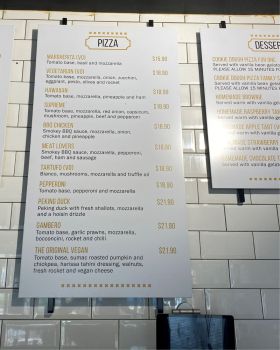
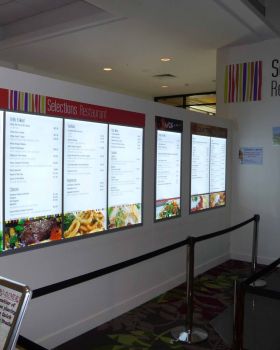
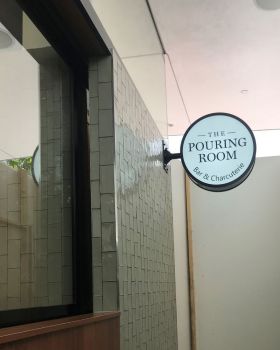
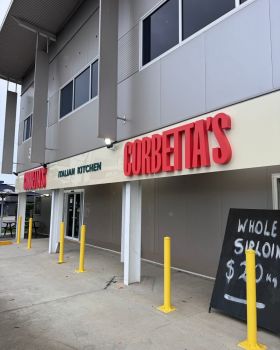
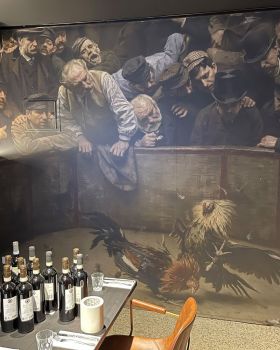
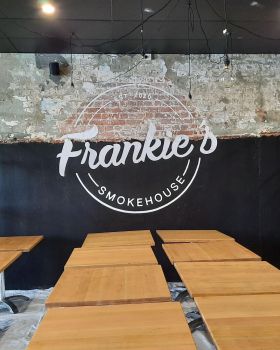
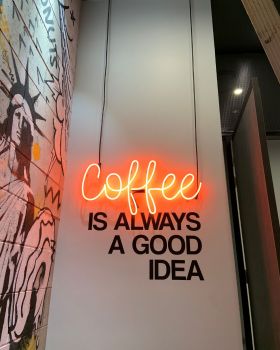
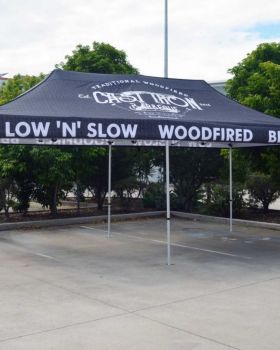
Despite this, signage is frequently underestimated. It remains one of the most visible and cost-effective branding tools a business can invest in, yet it is often left unchanged while menus evolve, interiors are refreshed and products improve. From shopfront signage and illuminated logos to internal wayfinding, menu boards, feature walls, café barriers and A-frames, signage plays a constant role in how customers experience a space.
This is where experienced specialists such as Fabsigns make a meaningful difference. Based in Southeast Queensland, Fabsigns works with hospitality venues, food manufacturers, retailers and corporate clients to design and produce custom signage that balances visual impact with real-world durability. Their approach combines design insight with practical fabrication expertise, ensuring signage continues to work hard in busy environments, not just on day one.
When businesses pause to look at their signage with fresh eyes, it often highlights a few quiet opportunities for improvement:
- Being more presentable, by aligning branding with current products or positioning.
- Being more welcoming, through clearer navigation and a smoother in-store experience.
- Being more memorable, by strengthening visual consistency across locations.
- Being more findable, with improved street presence and visibility.
- Being more confident, by reinforcing credibility and professionalism.
- Being more consistent, across all physical touchpoints.
Importantly, this doesn’t mean starting from scratch. Small, targeted updates can have a disproportionate impact. Refreshed window graphics, clearer directional signage, updated menu boards or a redesigned reception feature can subtly but effectively lift how a brand is perceived.
For many businesses, reviewing signage is not about chasing trends. It’s about alignment. It’s about making sure the physical environment reflects the care that goes into the food, the service and the overall customer experience.
Whether it’s a single café, a local takeaway, a growing hospitality group or a fine dining restaurant, signage is worth revisiting from time to time. Because when you stop noticing it, chances are your customers are noticing it for the first time.
Frequently Asked Questions
How often should a business review its signage?
There is no fixed rule, but signage should be reviewed whenever something changes in the business. This might include a menu update, new products, a shift in positioning, a refurbishment, or simply the passage of time. Even without major changes, it’s worth stepping back every year or two to assess whether signage still feels clear, current and aligned with how the business operates today.
What are the most common signage issues businesses overlook?
Many businesses overlook faded materials, inconsistent branding, unclear wayfinding and signage that no longer reflects what they actually offer. Because owners and staff see the same signs every day, these issues can fade into the background, even though they remain very visible to customers seeing the venue for the first time.
Does signage really affect customer experience?
Yes. Signage plays a subtle but powerful role in shaping expectations and guiding behaviour. Clear, well-designed signage helps customers feel comfortable and confident in a space, while poor or confusing signage can create friction, hesitation or frustration, even if the food and service are excellent.
Do signage updates always require a full replacement?
Not at all. In many cases, small, targeted updates are more effective than a complete overhaul. Updating window graphics, refreshing menu boards, improving directional signage or replacing a single outdated feature can significantly lift the overall impression without requiring major disruption or cost.
Why work with a signage specialist rather than handling it in-house?
Experienced signage specialists such as Fabsigns bring both design understanding and fabrication expertise. This ensures signage is not only visually strong but also durable, compliant and suited to real-world hospitality and retail environments. The result is signage that continues to perform long after installation, rather than becoming a recurring problem to fix.